Understanding the Role of a Dance Podiatrist in Foot Health
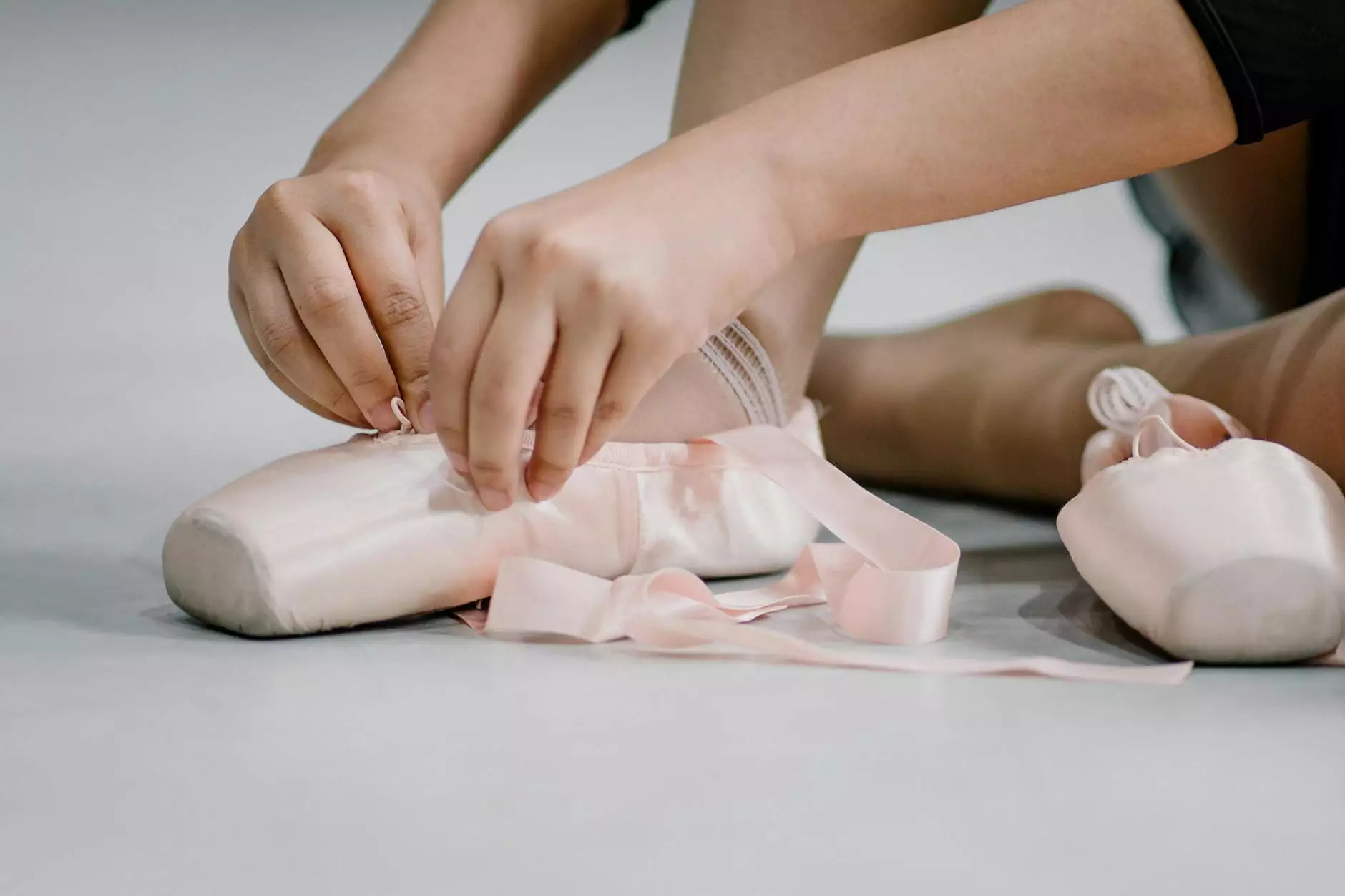
The world of dance is a breathtaking realm filled with creativity, passion, and physical expression. However, it also demands an immense amount of physical strain on the dancer’s body, particularly on the feet. As a result, the profession of a dance podiatrist has become increasingly relevant, helping dancers maintain foot health and optimize their performance. In this comprehensive article, we will explore the critical role a dance podiatrist plays in preserving foot health, the specific challenges dancers face, and the best practices for foot care.
Why Dancers Need Specialized Foot Care
Dancing involves repetitive movements, jumps, and turns, putting immense pressure on the feet and lower limbs. This unique physical demand leads to a variety of specific foot problems, including:
- Plantar Fasciitis: An inflammation of the plantar fascia, causing heel pain.
- Stress Fractures: Small cracks in bones resulting from overuse.
- Achilles Tendonitis: Pain and inflammation in the Achilles tendon.
- Morton’s Neuroma: A thickening of nerve tissue between the toes, resulting in pain.
- Blisters and Calluses: Skin irritations due to friction and pressure.
Each of these conditions can dramatically affect a dancer's ability to perform. That’s where a specialized dance podiatrist comes in. They understand the unique anatomy and mechanics of a dancer’s foot, helping to diagnose and treat these issues effectively.
The Importance of Early Intervention
Dancers often push through pain, believing it to be part of their craft. However, this attitude can lead to more serious injuries down the line. Early intervention by a dance podiatrist can not only help treat existing conditions but also prevent further complications. Here are the key reasons why early intervention is crucial:
- Preventing Chronic Pain: Addressing foot problems early can prevent them from developing into chronic issues that might sideline performers for long periods of time.
- Improving Performance: When feet are pain-free, dancers can focus on technique, strength, and performance quality rather than discomfort.
- Custom Treatment Plans: A dance podiatrist can create a tailored prevention and treatment plan suited to the individual needs of each dancer.
How a Dance Podiatrist Diagnoses Foot Problems
The diagnosis process often involves multiple steps to ensure that every aspect of a dancer's foot and overall biomechanics is evaluated. Here is a brief overview of the typical diagnostic process:
1. Comprehensive Evaluation
The first step involves a detailed history of the dancer’s foot problems, including symptoms, duration, and any previous injuries. A physical examination of the foot structure is also conducted.
2. Gait Analysis
A gait analysis examines how the dancer walks and dances. This can reveal abnormalities in foot mechanics that could lead to pain or injury.
3. Imaging Techniques
In some cases, diagnostic imaging such as X-rays or MRIs may be necessary to assess bone structure, soft tissues, and the severity of injuries.
Treatment Options Offered by Dance Podiatrists
Once a diagnosis is made, a range of treatment options can be offered. Here are some common treatments that a dance podiatrist might recommend:
1. Physical Therapy
Physical therapy is often a core component of treatment. Specific exercises can help strengthen the muscles of the feet, improve flexibility, and promote healing.
2. Orthotic Devices
Custom orthotics can provide the necessary support, alleviate pressure, and address biomechanical issues. This is particularly useful for dancers who spend long hours on their feet.
3. Medication
Anti-inflammatory medications may be prescribed to reduce swelling and relieve pain.
4. Surgery
In more severe cases, surgical intervention may be necessary to correct structural issues or remove problematic growths such as plantar warts or neuromas.
Integrating Foot Care into Daily Dance Practice
Prevention is vital in maintaining foot health, and dancers can take proactive measures to protect their feet during regular training and performance. Here are essential tips for integrating foot care into daily dance routines:
1. Proper Warm-Up and Cool Down
Always incorporate adequate warm-up and cool-down exercises. This helps to prepare the muscles and joints for the rigorous demands of dance.
2. Choose the Right Footwear
Wearing appropriate footwear is crucial. Dancers should select shoes that provide proper support, cushioning, and fit the unique shape of their feet.
3. Stretch Regularly
Regular stretching can increase flexibility and reduce the risk of injuries. Pay special attention to the calves, Achilles tendon, and the arches of your feet.
4. Maintain Foot Hygiene
Keeping feet clean and dry helps prevent infections and issues like blisters. Use moisture-wicking socks during practice sessions.
The Role of Educating Dancers
A crucial aspect of a dance podiatrist's role is educating dancers about foot health. They are instrumental in teaching the following:
- The anatomy of the foot and its function in dance.
- How to identify early warning signs of foot problems.
- The importance of maintenance, including regular check-ups.
- Strategies for foot care both on and off the stage.
Conclusion: The Value of a Dance Podiatrist
In conclusion, a dance podiatrist is an invaluable ally for dancers, contributing significantly to their health and performance longevity. By understanding the unique challenges dancers encounter and providing specialized care, they play a pivotal role in ensuring that dancers can continue to pursue their passion without being hindered by foot issues. The integration of foot health education, preventative measures, and prompt treatment of problems is essential for sustaining the remarkable art of dance.
If you are a dancer struggling with foot pain or simply want to ensure that you’re doing everything possible to protect your feet, consult with a specialized dance podiatrist today!