A Comprehensive Guide to Hysteroscopy
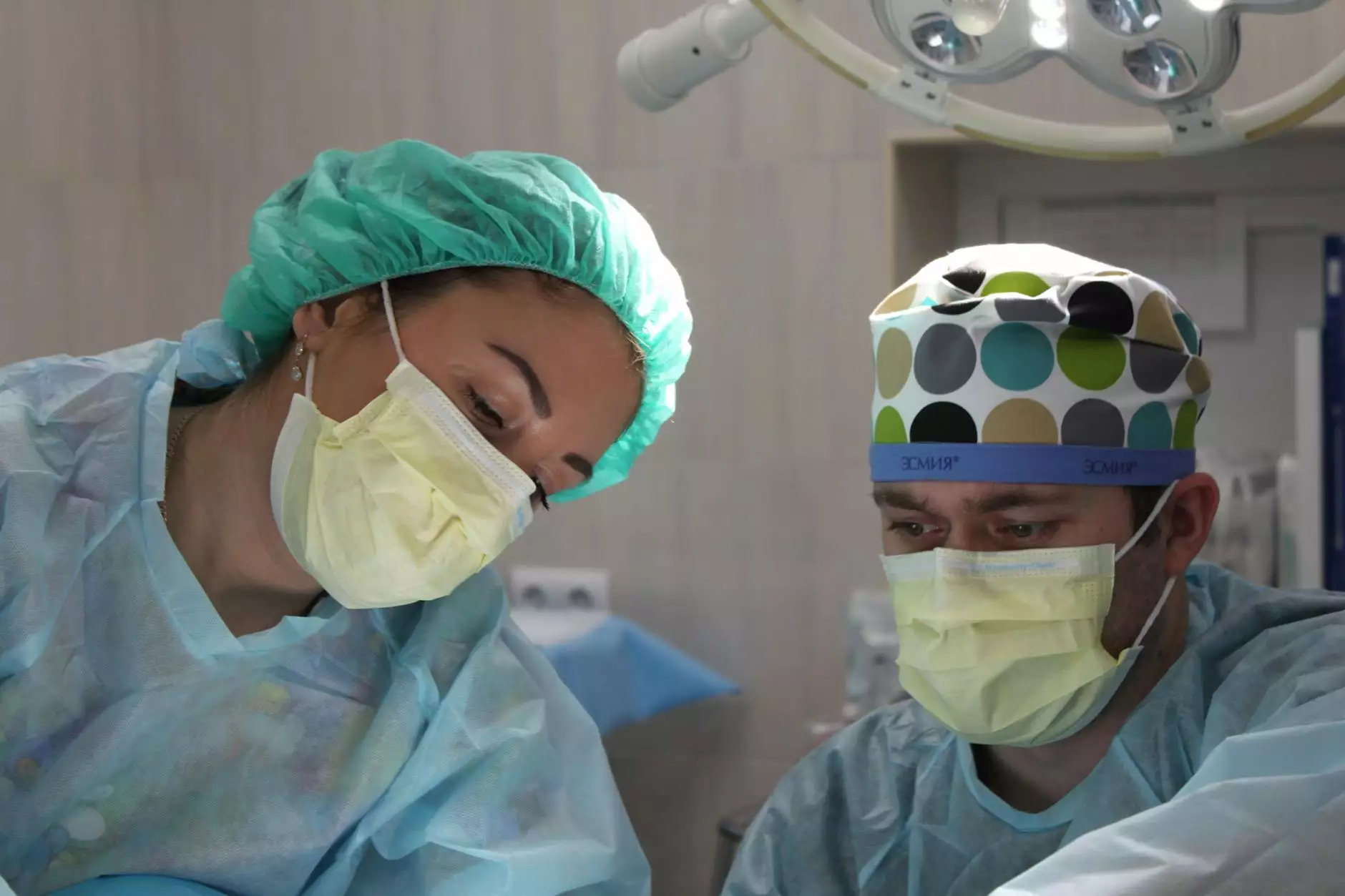
When it comes to women’s reproductive health, understanding various medical procedures is crucial for making informed decisions. One such important procedure is a hysteroscopy. This article aims to provide an exhaustive look into hysteroscopy, including its purpose, procedure, benefits, recovery, and much more.
What is Hysteroscopy?
A hysteroscopy is a minimally invasive surgical procedure used to examine the inside of the uterus. Performed with a thin, lighted instrument known as a hysteroscope, this procedure allows healthcare professionals to visualize the uterine cavity, diagnose conditions, and even perform minor surgeries.
Why is Hysteroscopy Performed?
Hysteroscopy may be recommended for several reasons, including:
- Diagnosing Uterine Conditions: Conditions like fibroids, polyps, or abnormalities in the uterine lining can be diagnosed via hysteroscopy.
- Investigating Abnormal Bleeding: If a woman experiences unexplained vaginal bleeding, hysteroscopy helps identify the cause.
- Guiding Fertility Treatments: It can aid in evaluating the uterine environment for fertility treatments, ensuring there are no obstacles to conception.
- Removing Polyps or Fibroids: In some cases, a hysteroscopy can be therapeutic, allowing for the removal of polyps or fibroids within the uterus.
Types of Hysteroscopy
There are two primary types of hysteroscopy:
1. Diagnostic Hysteroscopy
This type is performed to diagnose uterine conditions. It is usually done in a doctor's office under local anesthesia. The scope is inserted into the uterus to observe the tissue directly.
2. Operative Hysteroscopy
Operative hysteroscopy is more extensive and is performed in a surgical suite under general anesthesia. It allows the surgeon to perform procedures like removing fibroids or polyps, or performing endometrial ablation.
The Hysteroscopy Procedure
A hysteroscopy procedure typically involves the following steps:
- Preparation: Prior to the procedure, the doctor will review your medical history and may conduct a physical examination. You may be advised to avoid certain medications, such as blood thinners, before the procedure.
- Anesthesia: Depending on the type of hysteroscopy, you may receive local or general anesthesia. Local anesthesia numbs the area, while general anesthesia makes you sleep through the procedure.
- Insert the Hysteroscope: A speculum will be used to open the vagina, and the hysteroscope is gently inserted through the cervix into the uterus.
- Fluid Infusion: A sterile fluid is introduced into the uterus to expand it, providing a clearer view for the physician.
- Observation and Treatment: Once the hysteroscope is in place, the doctor can observe the uterine lining and identify any issues. If necessary, they can treat minor conditions during the procedure.
- Completion: Once the examination or operation is complete, the hysteroscope is removed, and the fluid is drained.
Benefits of Hysteroscopy
A hysteroscopy offers numerous benefits, making it a preferred choice for evaluation and treatment of uterine issues:
- Minimally Invasive: Since hysteroscopy is minimally invasive, it generally results in less discomfort, reduced bleeding, and quicker recovery times compared to traditional surgeries.
- Immediate Results: The ability to diagnose and often treat conditions immediately can lead to faster relief and improved outcomes.
- Reduced Need for Open Surgery: Successful hysteroscopic procedures can effectively eliminate the need for more invasive surgeries like hysterectomy.
- Short Recovery Time: Many patients can resume normal activities within a day or two, particularly after diagnostic procedures.
What to Expect After Hysteroscopy
After the procedure, it's important to monitor your recovery closely. Typical post-hysteroscopy experiences include:
- Cramping and Discomfort: Mild cramping is common and can usually be managed with over-the-counter pain relievers.
- Light Bleeding: Light bleeding or spotting may occur for a few days, which is generally normal.
- Rest and Recovery: It's advisable to rest on the day of the procedure and gradually resume activities as you feel comfortable.
When to Contact Your Doctor
If you experience any of the following symptoms after a hysteroscopy, contact your healthcare provider:
- Heavy bleeding (soaks through a pad in an hour)
- Severe abdominal pain not relieved by pain medication
- Fever or chills
- Signs of infection, such as foul-smelling discharge
Potential Risks and Complications
While hysteroscopy is generally safe, like any medical procedure, it does carry some risks, including:
- Infection: There is a small chance of developing an infection following the procedure.
- Uterine Perforation: In rare cases, the hysteroscope may accidentally perforate (create a hole in) the uterus.
- Adverse Reaction to Anesthesia: Some patients may experience adverse effects from anesthesia.
How to Prepare for Hysteroscopy
Preparation is key to ensuring a successful hysteroscopy. Here are some steps to consider:
- Consult Your Doctor: Discuss your medical history and any concerns with your healthcare provider.
- Medications: Make sure to follow instructions regarding medication adjustments in the days leading up to the procedure.
- Arrange Transportation: If you are receiving general anesthesia, arrange for someone to drive you home after the procedure.
Hysteroscopy at Dr. Seckin's Clinic
At Dr. Seckin's Clinic, we prioritize women's health and well-being. Our team of experienced obstetricians and gynecologists specializes in hysteroscopy, using the latest technology to provide precise evaluations and treatments.
Our commitment to patient care includes thorough consultations, personalized treatment plans, and ongoing support throughout the recovery process. We ensure that you are well-informed and comfortable before, during, and after a hysteroscopy.
Conclusion
A hysteroscopy is a significant procedure in the field of women's health, providing valuable insights into uterine conditions. Its benefits, including minimally invasive techniques and immediate results, make it an essential tool for diagnosis and treatment. If you are experiencing symptoms that warrant further investigation, don’t hesitate to reach out to a healthcare professional.
For more information on hysteroscopy and to schedule a consultation, visit Dr. Seckin's Clinic today. Your health is our priority, and we are here to support you every step of the way.