Exploring Biohazard Technician Jobs
In today's dynamic job market, biohazard technician jobs have emerged as a vital and rewarding career choice, particularly for those seeking to make a meaningful impact in public health and safety. These professionals play a critical role in the cleanup and remediation of sites contaminated by biological hazards, ensuring the well-being of communities and the environment. This article delves deep into the numerous aspects of biohazard technician positions, from responsibilities and qualifications to career progression and industry demand.
What is a Biohazard Technician?
A biohazard technician is a trained professional who specializes in the safe and effective cleanup of biological hazards. These can range from crime scenes to trauma sites, and even include the decontamination of environments affected by hazardous materials such as blood, bodily fluids, and other infectious substances. They work in a variety of settings, including:
- Crime scenes.
- Trauma or accident sites.
- Medical facilities.
- Industrial locations.
- Residential properties after incidents.
Key Responsibilities of Biohazard Technicians
The role of a biohazard technician involves a variety of responsibilities that are crucial for maintaining safety and health standards. Some of the primary duties include:
1. Hazard Assessment
Before any cleanup begins, technicians must assess the scene to identify potential hazards and the extent of contamination. This assessment is crucial for determining the appropriate cleanup strategy while ensuring the safety of all personnel involved.
2. Safe Cleanup and Disposal
Technicians are responsible for the safe removal and disposal of hazardous materials. This process often involves:
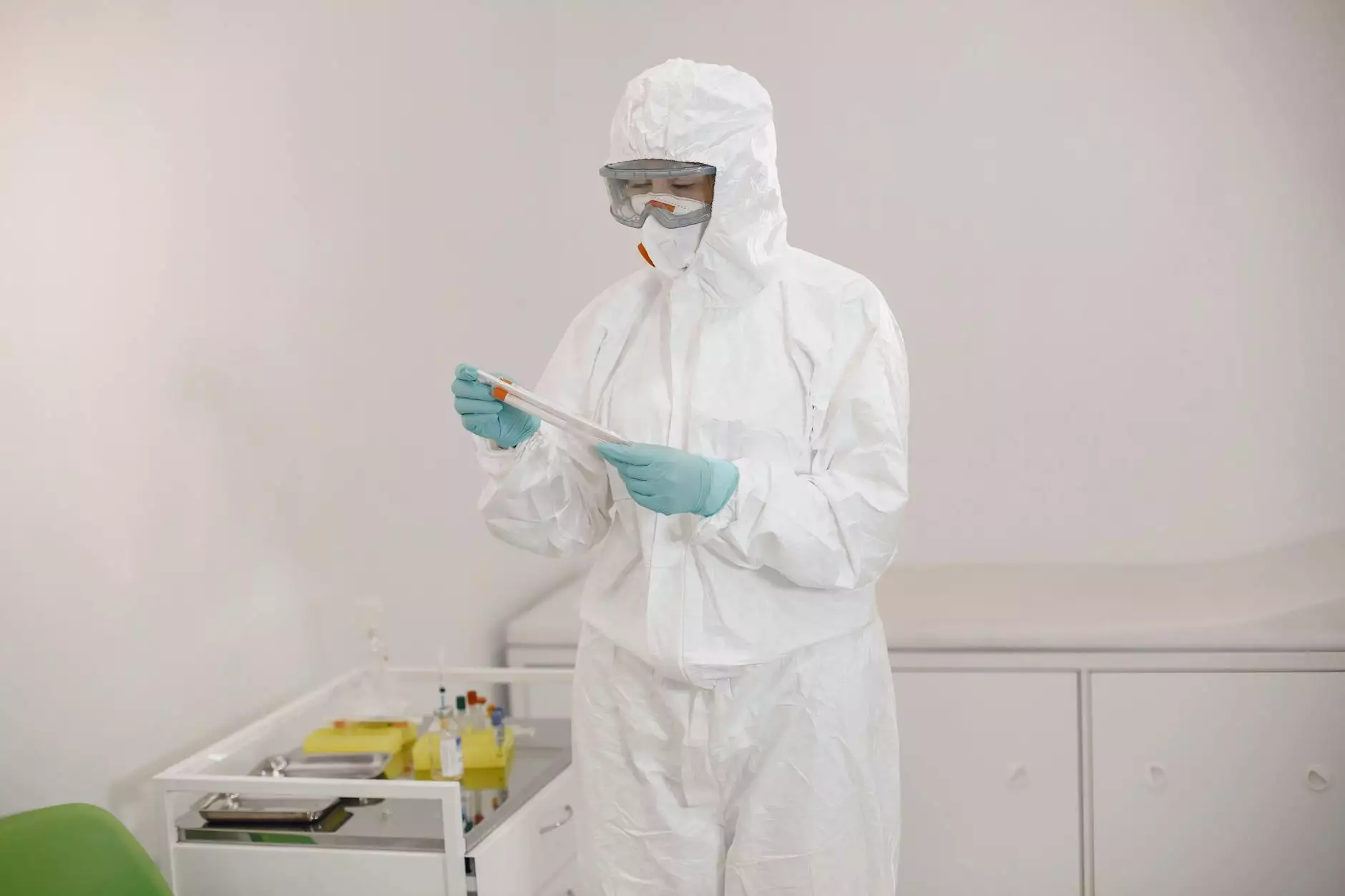
- Wearing personal protective equipment (PPE).
- Utilizing specialized cleaning agents and techniques.
- Following local, state, and federal regulations regarding hazardous waste disposal.
3. Decontamination Procedures
Effective decontamination is vital to eliminate any biological threats. Technicians use approved methods to disinfect and sanitize affected areas thoroughly. This often includes:
- Using ultraviolet light systems.
- Applying hospital-grade disinfectants.
- Employing HEPA filtration systems for air purification.
4. Documentation
Proper documentation of the cleanup process is essential, as it provides a record of the site’s condition and the actions taken. This may be needed for legal reasons or for future reference by public health officials.
Required Skills and Qualifications
To pursue a career in biohazard technician jobs, certain qualifications and skills are generally required:
1. Education
A high school diploma or equivalent is the minimum requirement, though many employers prefer candidates with additional coursework in hazardous materials management, biology, or similar fields. Some may require an associate degree or certification in biohazard cleanup or related areas.
2. Certifications
Certifications play a significant role in enhancing job prospects. Common certifications include:
- OSHA HAZWOPER Certification.
- Bloodborne Pathogen Training.
- Certified Hazardous Materials Manager (CHMM).
3. Physical Stamina and Safety Awareness
The job often requires physical stamina to handle strenuous activities, lift heavy items, and work in challenging environments. Additionally, a strong awareness of safety protocols is critical to protect oneself and others from hazards.
4. Detail-Oriented Approach
Biohazard technicians must possess an acute attention to detail to ensure thorough cleanup and compliance with safety regulations and standards.
The Job Market for Biohazard Technicians
The demand for trained biohazard technicians continues to grow as awareness of safety and health issues increases. The need for these professionals is particularly high in the following areas:
1. Crime and Trauma Scene Cleanup
With many cities and communities prioritizing public health, there is a consistent demand for biohazard cleanup services following crime or trauma incidents.
2. Environmental Cleanup
With the increasing occurrence of natural disasters and industrial accidents, technicians trained in biohazard cleanup are essential for efficient and safe remediation efforts.
3. Medical Facilities
Hospitals and clinics often collaborate with biohazard cleanup teams to address spills and contamination swiftly and effectively, maintaining safety for both staff and patients.
Career Progression Opportunities
For ambitious biohazard technicians, there are numerous avenues for career advancement. With experience and additional training, technicians may move into supervisory roles, operational management, or specialized areas such as:
- Forensic cleaning.
- Hazardous materials management.
- Environmental safety compliance.
Working Conditions and Benefits
Biohazard technicians often work in diverse environments that can be physically demanding and may require unconventional hours, including nights and weekends. However, many companies offer excellent benefits, including:
- Health insurance.
- Pension and retirement plans.
- Paid time off and sick leave.
The Importance of Biohazard Cleanup
The work performed by biohazard technicians is invaluable in protecting public health. By ensuring that contaminated areas are properly cleaned and decontaminated, they help to:
- Prevent the spread of infectious diseases.
- Reduce environmental hazards.
- Provide support and solace to grieving families by maintaining the dignity of the deceased and their loved ones.
Conclusion
In summary, biohazard technician jobs are not just a career; they are a calling to serve and protect our communities from biological dangers. As the industry continues to grow, so does the opportunity for individuals dedicated to making a difference. With the right education, training, and commitment to safety, aspiring technicians can enjoy a fulfilling career in a field that is both rewarding and essential.
Get Started in Biohazard Cleanup Today!
If you are interested in a career as a biohazard technician, visit Biohazard Plus to explore training programs, certification courses, and job opportunities in biohazard cleanup. Equip yourself with the knowledge and skills needed to embark on this impactful journey toward a safer environment for all.