What Makes VR an Effective Tool for Medical Education
Virtual Reality (VR) technology has emerged as a transformational force in various sectors, notably in medical education. As the healthcare landscape evolves rapidly, the need for innovative training methodologies has never been more pronounced. This article explores what makes VR an effective tool for medical education, analyzing its benefits, applications, and the future implications it holds for learning in the medical field.
The Rise of Virtual Reality in Medical Training
Medical professionals are required to master a variety of complex skills, from understanding anatomy to performing surgical procedures. Traditional educational methods often fall short in providing the hands-on experience needed to excel in these areas. VR technology bridges this gap by providing a safe, interactive learning environment that significantly enhances the educational process.
Understanding the Basics: What is Virtual Reality?
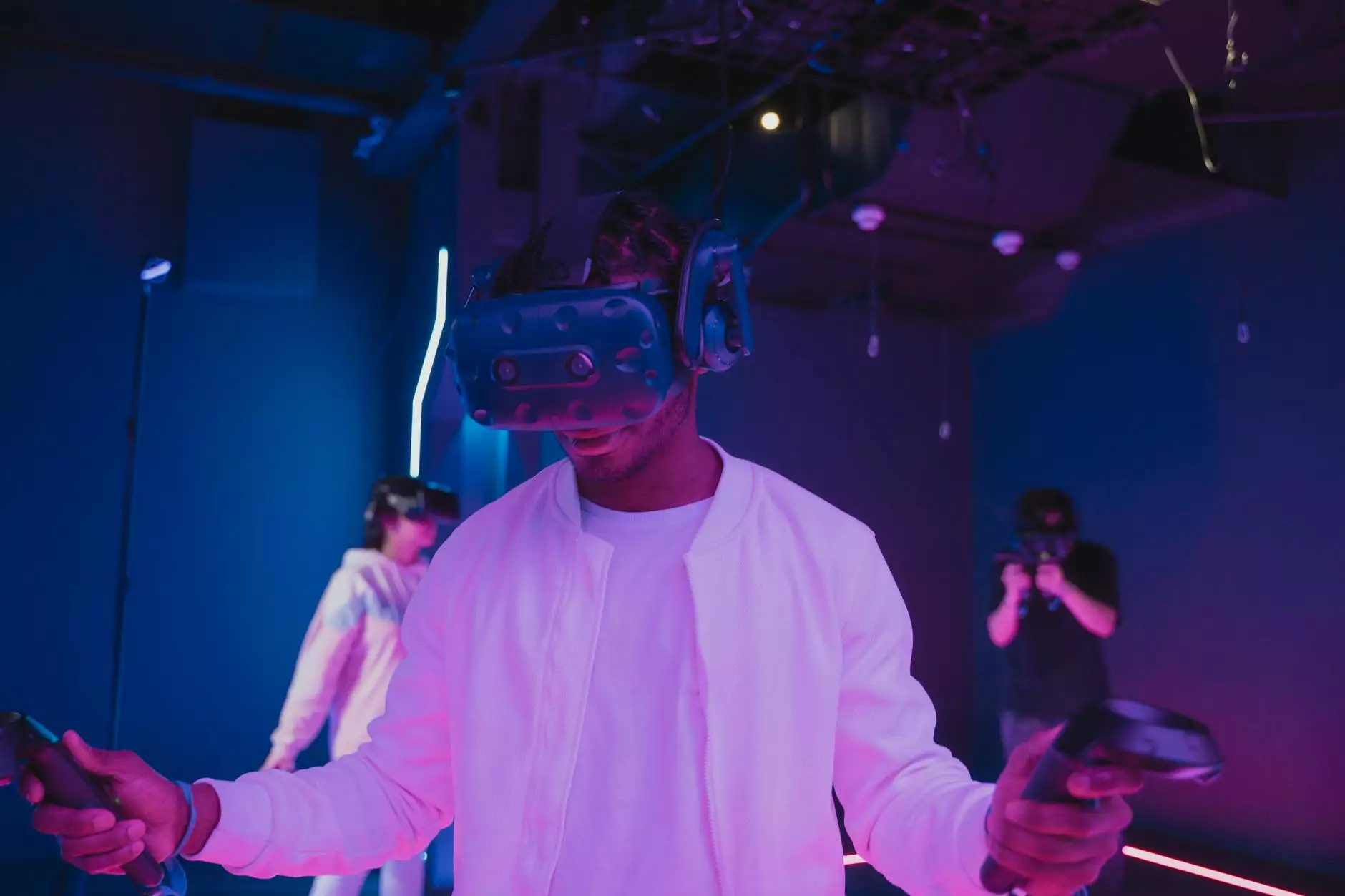
Before delving into the specifics of VR's applications in medical education, it's essential to define what VR entails. Virtual Reality is an immersive technology that creates a simulated environment, allowing users to experience scenarios as if they were real. By using specialized equipment such as VR headsets, medical trainees can engage with 3D models, simulations, and even virtual patients, providing unparalleled opportunities for learning and practice.
Key Benefits of VR in Medical Education
1. Enhanced Learning Through Immersion
One of the most significant advantages of VR in medical education is the immersive learning experience it provides. Trainees can explore intricate human anatomy or practice surgical techniques in a virtual setting without the immediate risks associated with real-life procedures. This level of immersion leads to improved understanding and retention of complex information:
- Realistic Scenarios: Trainees can interact with life-like simulations that mimic real-world conditions.
- Multiple Attempts: VR allows for repeated practice, giving students the chance to learn from their mistakes without real-world consequences.
- Immediate Feedback: Many VR experiences include analytics and feedback to help learners assess their performance and correct errors.
2. Improved Skill Development
VR technology facilitates the development of essential clinical skills through hands-on experience. Medical students can practice various procedures in a controlled setting:
- Surgical Simulations: Students can practice surgical techniques on virtual patients, honing their skills without the pressure of real surgeries.
- Emergency Response Training: VR can simulate emergency situations, training students to react swiftly and effectively in high-stress environments.
- Patient Interaction: Through VR, learners can engage with virtual patients, improving their bedside manner and communication skills.
3. Flexible Learning Environments
VR in medical education enables flexible learning opportunities. Students can engage in simulations at their own pace, accommodating various learning styles and schedules:
- Self-Paced Learning: Allowing students to progress through the curriculum as they master each topic.
- Accessibility: VR can be used at remote medical facilities or by students who may not have access to high-quality traditional training resources.
- 24/7 Availability: Students can practice and review materials any time, promoting continuous learning.
4. Bridging the Gap Between Theory and Practice
VR serves as an essential tool in bridging the gap between theoretical knowledge and practical application. Medical students often struggle to connect what they learn in textbooks with real-world applications. VR helps integrate these concepts by:
- Visualizing Complex Concepts: Interactive 3D models assist in understanding the human body and its functions.
- Reinforcing Knowledge: Practical application of theoretical information helps solidify the learner's understanding.
- Engaging Learning Methods: By converting difficult concepts into visual and interactive experiences, students are more likely to retain and comprehend information.
Specific Applications of VR in Medical Education
1. Anatomy Learning
Understanding human anatomy is foundational in medical education. Traditional methods like textbooks or static models can be inadequate. VR transforms anatomy education by:
- 3D Exploration: Students can navigate the human body in three dimensions, gaining insights into the spatial relationships between different structures.
- Interactive Visualization: Learners can visualize different systems (muscular, nervous, circulatory) independently and how they interact collectively.
2. Surgical Training
Surgical training is traditionally fraught with risks and complications. VR offers a solution by providing a platform for:
- Surgical Simulations: Students can perform virtual surgeries multiple times, receiving feedback on their techniques.
- Risk-free Environment: Trainees can practice high-risk procedures without endangering patients.
3. Patient Interaction and Communication Skills
Developing communication skills is crucial for effective healthcare. VR enables students to:
- Interact with Virtual Patients: By simulating patient interactions, students learn to conduct medical interviews, demonstrate empathy, and practice active listening.
- Perfect Bedside Manner: Realistic simulations help trainees refine their interpersonal skills, which are essential for successful patient care.
4. Emergency Medicine Training
Emergencies require immediate decision-making and swift action. VR training for emergency medicine equips students with the skills needed to handle critical situations through:
- Realistic Scenarios: Students can experience high-pressure scenarios, such as cardiac arrests or trauma cases, where they must quickly assess and respond.
- Team Dynamics: VR can simulate team-based emergency responses, teaching students the importance of communication and collaborative problem-solving.
Challenges and Limitations of VR in Medical Education
1. Cost of Implementation
While VR offers numerous advantages, implementing this technology can be expensive. Costs associated with hardware, software, and training programs may be a barrier for some institutions.
2. Accessibility Issues
Not every learner has equal access to technology. Disparities in resources can limit the effectiveness of VR programs, leading to unequal training opportunities.
3. Need for Integration into Curriculum
To realize the full potential of VR in medical education, it must be thoughtfully integrated into existing curricula. Institutions need to ensure that VR training complements traditional learning methods rather than replacing them.
The Future of VR in Medical Education
The potential for VR in medical education is boundless. As technology advances and becomes more accessible, the integration of VR into healthcare training is expected to grow significantly. Here are some anticipated trends:
- Greater Customization: Future VR educational tools may allow educators to tailor simulations to specific curriculums, enhancing relevance for students.
- Collaboration Across Borders: Virtual platforms could connect learners from around the world, fostering a global exchange of knowledge and experience.
- Improved Data Analytics: The use of AI can provide deeper insights into learner performance, enabling a personalized approach to medical education.
Conclusion
In conclusion, what makes VR an effective tool for medical education is its ability to create immersive, engaging, and realistic training environments. With the capability to enhance learning, improve skill development, and bridge the gap between theory and practice, VR is paving the way for the future of medical education. As institutions like Rot Studio continue to explore and implement these technologies, the healthcare workforce will become better prepared to meet the ever-evolving challenges of patient care.