Revolutionizing Game Development Collaboration: A Comprehensive Guide
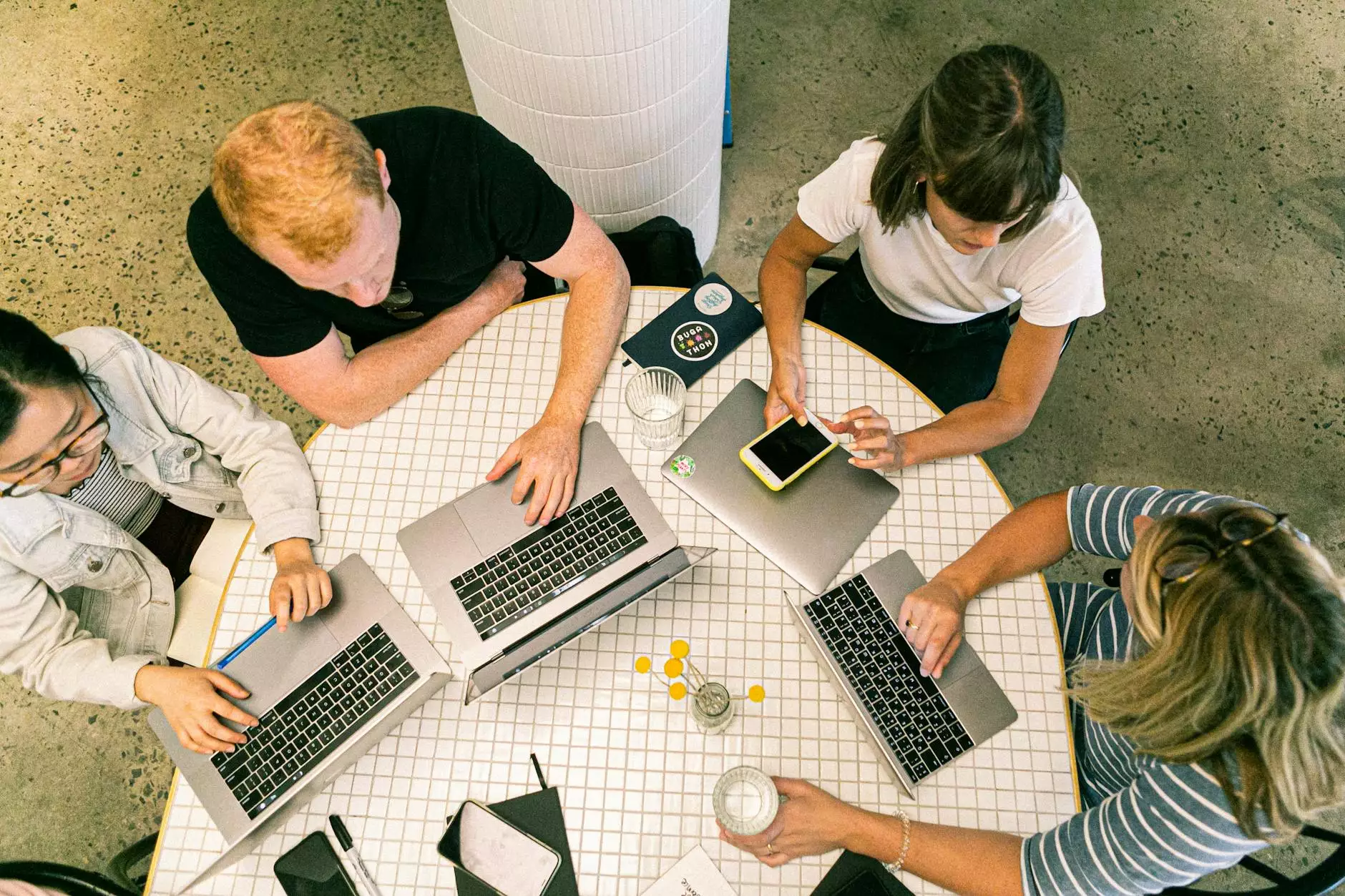
In today’s fast-paced digital world, game development collaboration has emerged as a pivotal aspect of the gaming industry. As technology advances and player expectations rise, collaboration among developers, artists, and designers has become essential to deliver engaging and high-quality gaming experiences. This article delves into the transformative nature of game development collaboration, examining its importance, benefits, and best practices, particularly for businesses looking to outsource their game development needs to specialized companies such as Pingle Studio.
The Essence of Game Development Collaboration
At its core, game development collaboration refers to the cooperative efforts of diverse professionals working together towards a common goal: creating an immersive gaming experience. This involves teamwork among various roles, including:
- Game Designers: Focus on the game's concept, mechanics, and player experience.
- Artists: Create visuals, animations, and character designs.
- Programmers: Utilize their technical skills to build the game's engine and functionalities.
- Sound Designers: Produce the audio elements that enhance the game atmosphere.
- QA Testers: Ensure the game is bug-free and provides a seamless player experience.
This intricate web of collaboration is vital, as it maximizes creativity, optimizes processes, and leverages the unique strengths of each team member. The harmony of these collaborative efforts results in a polished product that resonates with players.
Why Game Development Collaboration Matters
The gaming industry is inherently competitive and ever-evolving. Collaboration becomes increasingly relevant for several reasons:
1. Enhanced Creativity
Game development collaboration fosters an environment where ideas can flow freely. When team members from different backgrounds come together, they bring unique perspectives that spark creativity and inspire innovative solutions. This diversity often results in fresh game concepts and enhanced gameplay mechanics that might not have been conceived in isolation.
2. Improved Efficiency
Collaborative efforts streamline the game development process. By assigning tasks according to individual strengths and expertise, teams can work in parallel on different aspects of the game. This efficiency reduces the time spent in the development cycle while ensuring that each part of the game receives the attention it deserves.
3. Better Problem Solving
Challenges are a common occurrence in the game development process. Whether it’s a bug in the code or a flaw in the game design, collaboration encourages open dialogue and brainstorming. A united team can approach problems from various angles, leading to quicker and more effective solutions.
4. Scalability
With the appropriate collaboration strategies, a game development project can easily scale. Companies can bring in outsourced talent like Pingle Studio to address specific needs without overwhelming their core team. This flexibility enables companies to tackle larger projects and meet tight deadlines without sacrificing quality.
Outsourcing and Game Development Collaboration
For many studios, outsourcing is an effective way to enhance their game development collaboration. This approach allows studios to tap into global talent, granting access to a broader skill set and expertise. However, successful outsourcing requires careful consideration and a strategic approach.
Benefits of Outsourcing Game Development
- Cost-Effectiveness: Outsourcing can significantly reduce development costs, as companies can partner with studios in regions with lower operational expenses.
- Access to Expertise: Specialized studios like Pingle can provide advanced skills that may be lacking in-house, such as VR development or advanced graphics design.
- Focus on Core Activities: By outsourcing certain aspects of development, teams can concentrate on their core competencies, enhancing overall productivity.
Best Practices for Game Development Collaboration Through Outsourcing
To optimize the benefits of outsourcing in game development collaboration, consider these best practices:
1. Clear Communication
Establish robust communication channels from the outset. Use project management tools to maintain clarity and ensure that all team members, both in-house and outsourced, remain aligned with the project objectives and timelines.
2. Define Roles and Expectations
Clearly outline the roles and responsibilities of each team member, including outsourced professionals. This clarity will help avoid conflicts and ensure that everyone knows what is expected of them.
3. Regular Check-Ins
Frequent meetings and updates help maintain momentum and address any challenges early on. This practice ensures that the project stays on track and that collaboration remains effective.
4. Foster a Collaborative Culture
Create a culture that promotes collaboration regardless of team location. Encourage team bonding activities, whether virtual or in-person, to build trust and camaraderie among all members.
Leveraging Technology for Effective Game Development Collaboration
Technological advancements play a key role in enhancing game development collaboration. Here are some vital tools and technologies that can be employed:
- Collaboration Platforms: Utilize platforms like Slack, Trello, or Asana for real-time communication and project management.
- Version Control Systems: Tools like Git enable teams to collaborate efficiently on codebases, allowing for smooth integration of different coding contributions.
- Real-Time Collaboration Tools: Software such as Figma or Miro allows for simultaneous work on design elements, fostering instant feedback and input.
- Cloud-Based Storage: Use cloud services to store assets securely and allow easy access and sharing among team members, regardless of location.
Case Studies: Successful Game Development Collaboration
Examining real-world examples can illuminate the principles of successful game development collaboration. Let's look at a couple of noteworthy case studies:
Case Study 1: Pingle Studio's Collaborative Approach
Pingle Studio exemplifies game development collaboration through its innovative outsourcing model. By partnering with various global developers, artists, and sound designers, they successfully executed projects that require diverse skill sets. For instance, their recent title utilized a team of experts from different countries, leading to a rich array of artistic styles and gameplay mechanics. This collaborative effort resulted in a game that not only met but exceeded player expectations, showcasing the effectiveness of strategic collaboration.
Case Study 2: Indie Studio Collaboration
An indie game studio sought to create a unique platformer game. They recognized their limitations in certain areas, so they reached out to a freelance level designer and a sound engineer through online platforms. This collaboration allowed them to create challenging levels with immersive soundscapes that wouldn’t have been possible otherwise. The result was a critically acclaimed game that stood out in the crowded indie market, illustrating how even small studios can benefit from targeted collaborations.
Future Trends in Game Development Collaboration
The landscape of game development collaboration is continually evolving. As technology progresses, we can anticipate the following trends:
1. Remote Team Collaboration
The pandemic has accelerated the trend toward remote work, making it a staple in game development. As teams become more geographically diverse, best practices for remote collaboration will continue to emerge, enabling more flexible working conditions.
2. Increased Use of AI and Automation
Artificial intelligence and automation are set to revolutionize game development. These technologies can assist in testing, asset creation, and even coding, allowing human team members to focus on higher-level creative tasks that require emotional intelligence and artistic insight. The collaboration between AI tools and human creatives will redefine workflows.
3. Emphasis on Player Feedback Integration
Player feedback has become a crucial element of game design. Future collaborations will increasingly involve players in the development process, utilizing their insights to craft games that resonate deeply with audiences.
Conclusion
In conclusion, game development collaboration serves as the backbone of successful gaming projects. By understanding its significance, leveraging outsourcing opportunities, utilizing technology, and adhering to best practices, studios can achieve remarkable results. Companies like Pingle Studio continue to exemplify the benefits of collaboration in game development, paving the way for innovative and engaging gaming experiences. Embracing collaboration is not just a strategy; it's a necessity in the dynamic world of game development.
As we look towards the future, the synergy of collaboration, technology, and creativity will continue to shape the gaming landscape, fostering a rich environment where top-notch games can thrive.